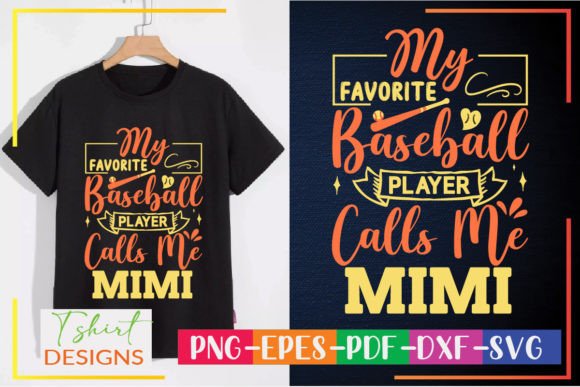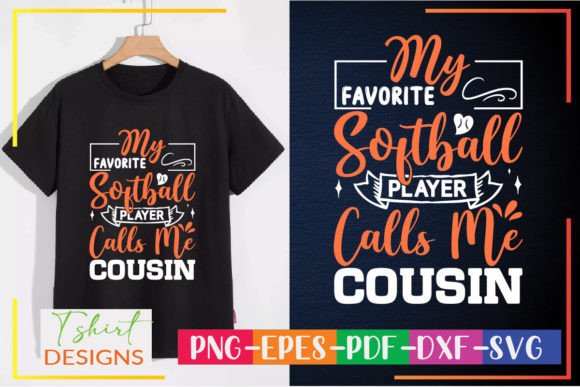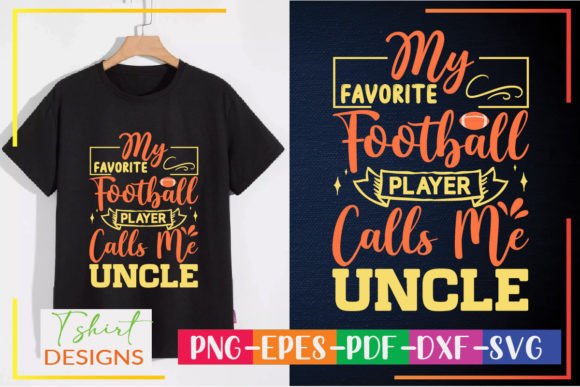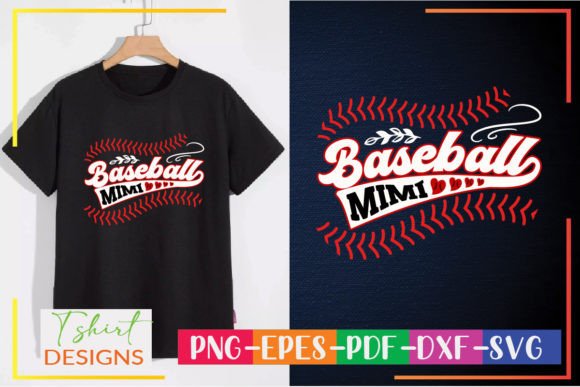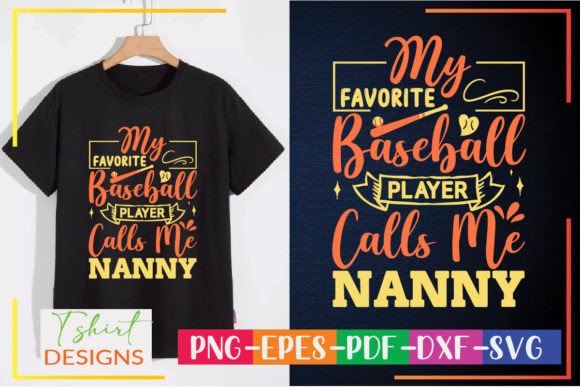
My Favorite Baseball Player Calls Me Nanny Graphics
As a graphic designer who’s built brand identities for indie apparel lines, seasonal Etsy drops, and local sports-themed boutiques, I recently evaluated My Favorite Baseball Player Calls Me Nanny for a real client project: a limited-run summer collection for a mom-owned handmade business launching baseball-inspired kids’ tees and matching tote bags. My goal wasn’t just to assess cuteness—it was to determine whether this asset delivers professional-grade flexibility, emotional resonance, and technical reliability across print, digital, and craft applications.
A First Impression That Lands Like a Clean Single
The moment I opened the files, My Favorite Baseball Player Calls Me Nanny struck me as playful but intentional—not cartoonish, not ironic, and definitely not generic clipart. It carries a warm, slightly nostalgic tone with clean linework and balanced negative space. The composition feels conversational and personal, like a hand-drawn note tucked into a jersey pocket. That mood is gold for small business branding where authenticity and relatability drive engagement—especially in niches like parenting, youth sports, or lighthearted fandom.
Where This Graphic Design Asset Earns Its Keep
In practice, My Favorite Baseball Player Calls Me Nanny shines brightest when used as a hero visual or thematic anchor. On t-shirt design mockups, it holds presence at chest or back placement without overwhelming the garment. As a sublimation design for mugs or tote bags, the 300 DPI transparent PNG renders crisply—even on textured fabrics. For Cricut projects, the included SVG and DXF files scale flawlessly for vinyl cutting, and the vector paths are smooth and editable (no stray nodes or nested groups).
I tested it across multiple touchpoints: as a focal sticker on packaging labels, as a decorative element in Canva templates for Instagram Stories, as a supporting illustration in editorial blog posts about “mom life meets minor league magic,” and even as a subtle watermark on printable wall art for nursery decor. In every case, it reinforced the campaign’s voice—friendly, confident, and gently humorous—without diluting visual hierarchy.
Smart Applications Beyond T-Shirt Designs
This isn’t just a t-shirt design—it’s a versatile creative design component. When layered over soft pastel backgrounds in social media graphics, it adds warmth without competing with copy. As part of a larger design bundle for an Etsy product launch, it pairs naturally with coordinating baseball-stitch borders, glove-shaped icons, and vintage-style typography. For print-on-demand sellers, its transparency and resolution make it ideal for product mockups that need to feel cohesive—not slapped on.
It also works well in themed collections: imagine pairing My Favorite Baseball Player Calls Me Nanny with complementary SVG designs (like a tiny mitt, a stitched heart, or a retro stadium silhouette) to build a full brand kit for a summer camp merch line or a Little League fundraiser.
Where Caution Is Pitched Perfectly
Don’t force it into minimalist corporate branding or high-contrast B2B marketing visuals—it’s not built for that. At under 1 inch tall, readability suffers; fine details blur, and the charm fades. Avoid placing it over busy patterns or low-contrast gradients unless you’ve manually adjusted levels first. And while it’s expressive, it’s not neutral—so if your client’s brand voice leans strictly formal or ultra-modern, this graphic design asset may clash rather than complement.
Designer Notes You’ll Actually Use
- Test it in black and white: The line weight holds up well, but verify legibility on dark garments before finalizing production files.
- Check contrast on light and dark backgrounds: The transparent PNG looks great on ivory canvas but can disappear on pale yellow—adjust brightness or add a subtle drop shadow if needed.
- Preview at multiple sizes: At 10×10 inches it’s bold and charming; at 2×2 inches on a sticker sheet, some nuance gets lost—reserve smaller uses for simplified versions or cropped details.
- Place it on real mockups: I dropped it onto five different t-shirt and tote bag mockups—and only one required minor kerning tweaks to the accompanying text.
- Review file formats carefully: The SVG is cleanly layered and grouped—ideal for designers who want to recolor individual elements. The DXF imports cleanly into Silhouette Studio. All files are print-ready with no hidden layers or rasterized effects.
- Inspect PNG transparency: No fringing, no halo—crisp edges against any background. Essential for professional packaging design and web use.
- Compare font pairings: It harmonizes beautifully with rounded sans serifs (like Quicksand), friendly scripts (like Pacifico), and even sturdy display fonts (like Bebas Neue)—but avoid thin serifs or ultra-minimalist typefaces that create tonal dissonance.
- Confirm commercial licensing: Yes—this is a commercial license digital product. You’re cleared to use it for client work, Etsy listings, print-on-demand, and physical goods—no attribution required.
Final Verdict: A Thoughtful Addition to Your Creative Marketplace Toolkit
My Favorite Baseball Player Calls Me Nanny isn’t flashy—but it’s dependable. It doesn’t try to be everything. Instead, it excels where it matters most: in human-centered, emotionally grounded projects that value charm over cliché. For designers building brand identity for handmade businesses, crafting social media graphics for niche audiences, or sourcing reliable SVG design assets for scalable product lines, this is more than a clipart download—it’s a ready-to-deploy piece of visual storytelling.
This item is a DIGITAL download and NO physical items are sent. My favorite baseball player calls me nanny Print Ready Transparent PNG File, 300 DPI, 10×10 Sized Included in this download SVG PNG DXF—making it a practical, production-ready addition to any designer’s library of commercial design assets. If your next project needs warmth, wit, and wearability, this graphic design asset earns its spot on the roster.