I Said Yes Married Shirt Design
First Impressions: Sweet, Simple, and Ready for Real Stitches
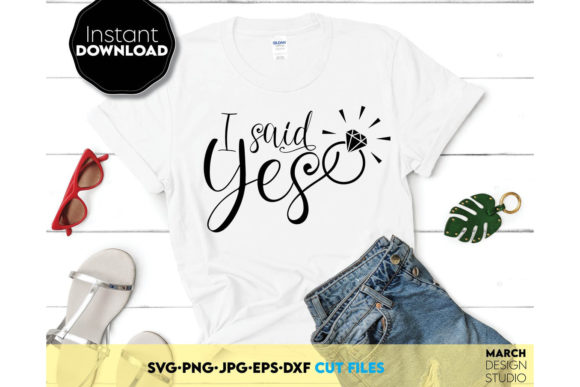
When I opened I Said Yes Married Shirt Design, I didn’t see a generic “Mr. & Mrs.” clipart blob—I saw something with warmth and quiet intention. The layout feels balanced: clean lettering, gentle curves in the “Yes,” and subtle spacing that breathes without looking sparse. It’s not overly ornate, which is exactly what makes it work so well for real embroidery projects—especially when you’re stitching on soft cotton tees, lightweight totes, or baby onesies where heavy detail would overwhelm the fabric.
A Real-World Test: Embroidering It on a Linen-Cotton Kitchen Towel
Last week, I used I Said Yes Married Shirt Design as the centerpiece for a custom kitchen towel set—a wedding gift for a longtime client who loves handmade, minimalist home goods. I chose a 4” hoop, medium-weight tear-away stabilizer, and matte cotton thread in warm ivory and soft charcoal. The result? Crisp satin-stitched outlines, smooth fill areas with even stitch density, and zero puckering—even on the slightly textured linen-cotton blend. Customers notice that kind of polish. It doesn’t scream “digital file”—it reads as thoughtful, hand-finished design.
Where This Design Shines (and Where It Needs Thought)
I Said Yes Married Shirt Design fits naturally into several high-demand craft business categories: personalized wedding gifts, anniversary keepsakes, boutique apparel, and small-batch nursery decor. It works beautifully on:
- Sweatshirt embroidery—especially crewnecks and raglans where the design sits cleanly above the chest pocket
- Embroidered patch blanks for jackets or tote bags
- Pillow covers and tea towels where readability matters more than fine detail
- Baby onesies and burp cloths (scaled down to ~3”)—the rounded letterforms soften nicely at smaller sizes
- Holiday embroidery bundles—think “Our First Christmas as Mr. & Mrs.” stitched onto a felt ornament
But—and this is key—it’s not a one-size-fits-all embroidery file. On stretchy fabrics like jersey knits, I recommend adding cutaway stabilizer underneath and slowing your machine speed. On dark fabric, test thread contrast first: light gray or ecru often reads warmer and more elegant than stark white. And avoid placing it near seams, curved edges (like cap brims), or tightly woven textured surfaces unless you’ve pre-tested stitch pull on scrap.
What It Adds to Your Finished Product—Beyond the Stitch
This isn’t just about legibility or hoop fit. I Said Yes Married Shirt Design carries tone. It feels joyful but grounded—not cutesy, not stiff. That nuance builds customer trust. When an Etsy seller uses it on a personalized sweatshirt, buyers don’t just see text—they feel the intention behind the gift. That lifts perceived value, supports brand consistency across listings, and strengthens giftability. For small shop owners, that translates directly to repeat orders and word-of-mouth referrals.
Designer Notes You’ll Actually Use
Before stitching I Said Yes Married Shirt Design into your next handmade product or client project, take these practical steps:
- Run a test on scrap fabric matching your final substrate—especially if using textured, thin, or dark material
- Check stitch density visually in your embroidery software; dense fills may need reduced density for breathable fabrics like baby cotton
- Confirm hoop size compatibility—this design scales well, but avoid shrinking below 2.5” without checking small letter clarity
- Inspect corners and curves in your preview mode: look for potential thread nesting or skipped stitches in tight turns
- Mock it up in black-and-white first—many buyers browse thumbnails, and contrast must hold without color cues
- Use proper stabilizer: tear-away for stable wovens, cutaway for knits or delicate items like pillow covers
- Verify licensing terms before selling finished embroidered items or bundling the file in digital product kits
Final Thought: A Quiet Workhorse, Not a Flashy Gimmick
I Said Yes Married Shirt Design won’t wow with glitter effects or layered applique—but it doesn’t need to. In the Crafts and Graphics space, reliability is rare and valuable. It delivers consistent results across t-shirts, totes, baby items, and holiday embroidery—without demanding extra digitizing tweaks or finicky hooping tricks. For embroidery designers building a library of trusted assets, Etsy sellers curating wedding gift bundles, or small shop owners launching their first line of personalized apparel, this is the kind of design that quietly earns five-star reviews, repeat customers, and confident “yes” decisions—just like its name promises.