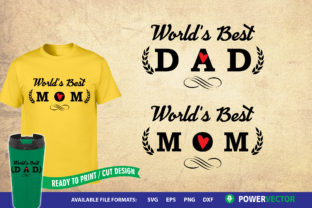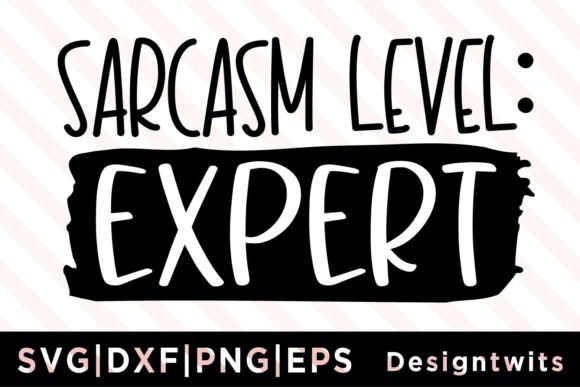
Great for Mugs & T-Shirts SVG: Graphics for Crafts
As a digital product creator who’s launched over 200 design assets across Etsy, Creative Market, and print-on-demand platforms, I opened Great for Mugs and or T-shirts SVG with one question: “Does this hold up in real selling scenarios?” Not as a theoretical graphic, but as a working graphic design asset that needs to convert browsers into buyers—fast.
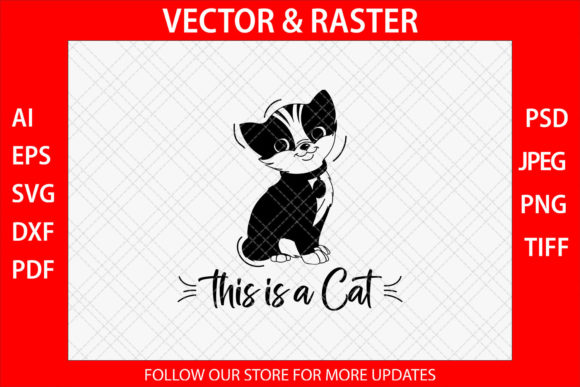
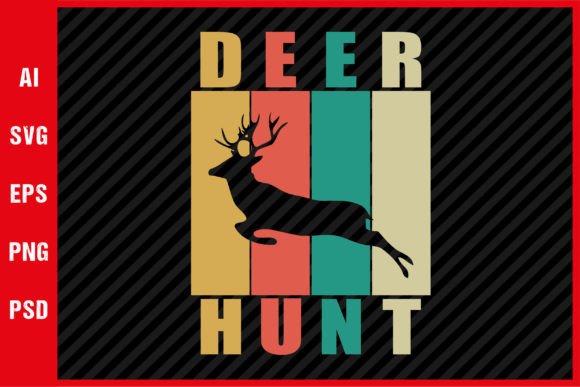
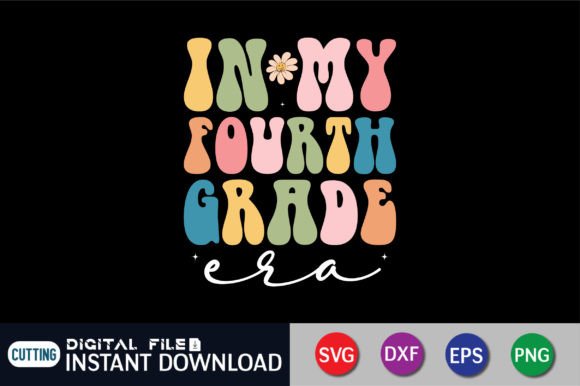
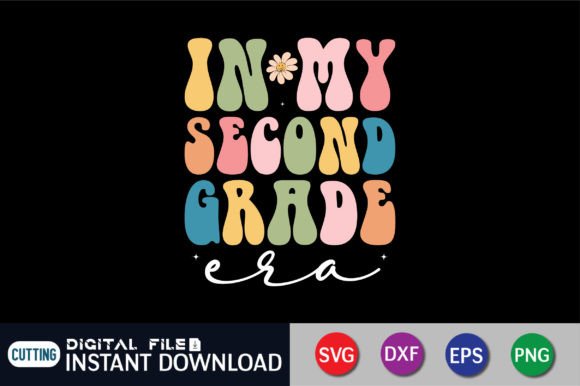
First impression? Clean, centered, and immediately legible at thumbnail size. It reads as friendly and approachable—not overly ornate, not minimalist to the point of sterility. The line weight is consistent, the curves are smooth, and there’s enough negative space to let it breathe on a mug or tee without feeling cramped. It leans gently toward modern handmade—think small-batch coffee shops, indie gift shops, and seasonal Etsy collections—not corporate branding or high-fashion apparel. That’s intentional, and honestly, smart positioning.
This SVG design isn’t trying to be everything. It’s a focused commercial design built for versatility within its lane: drinkware and apparel. That focus makes it easier to test, bundle, and scale. I dropped it into a mockup workflow for a spring-themed shop refresh—pairing it with soft sage and terracotta palettes—and it anchored three distinct product types instantly: a ceramic mug listing, a unisex crewneck t-shirt preview, and a printable greeting card set for new parents (yes, it works surprisingly well on baby announcements when resized and recolored).
Here’s where Great for Mugs and or T-shirts SVG shines in actual selling situations:
- SVG products for Cricut users—cut lines are clean, no overlapping paths, and the anchor points behave predictably at both 3” and 8” sizes
- PNG designs with crisp transparency—no fringing or anti-aliasing artifacts, even when scaled down for planner stickers or social media profile badges
- Sublimation design prep—no fine interior details that blur at 300 DPI, and solid color fills translate reliably across polyester blends
- Canva template integration—works as a drag-and-drop element in invitation suites, blog banners, and Instagram story highlights without needing layer adjustments
- Tote bag prints and tumbler wraps—the balanced proportions scale cleanly from 6” wide (for a lunch tote) to 9” tall (for a 20oz tumbler)
- Digital download bundles—pairs naturally with coordinating patterns, monogram sets, and seasonal clipart without visual competition
For product presentation, Great for Mugs and or T-shirts SVG delivers quiet professionalism. On an Etsy listing, it improves thumbnail appeal because it reads clearly even at 150px width—no squinting required. When placed in a lifestyle mockup (say, a matte white mug on a linen napkin), it supports visual storytelling without dominating the scene. That balance builds customer trust: it signals intentionality, not clipart filler. And because it’s not overly busy, it leaves room for complementary text—like a short slogan or date—without crowding the visual hierarchy.
It performs best in contexts where clarity and warmth matter most: large product previews for Shopify stores, themed bundles for holiday launches, decorative layouts in Canva-based digital planners, and printable wall art collections targeting home offices or nurseries. It also strengthens brand identity when used consistently across packaging design, social media graphics, and email headers—especially for small business branding that values authenticity over polish.
That said, use it carefully in these cases:
- Tiny sticker details—the inner spacing tightens below 1.25”, risking cut-line fusion on vinyl or kiss-cut sticker sheets
- Low-resolution print products—avoid using it for cheap inkjet-printed paper goods under 200 DPI; subtle curve fidelity suffers
- Crowded thumbnails—if surrounded by 4+ other design elements in a marketplace grid view, it can visually recede unless paired with strong contrast or a bold background
- Dark backgrounds—the default black stroke loses impact unless manually adjusted to white or a contrasting brand color
- Text-heavy templates—don’t layer body copy directly over it; use it as a header accent or corner motif instead
Before publishing any Etsy product, print-on-demand listing, or creative marketplace bundle, here’s my practical seller checklist for Great for Mugs and or T-shirts SVG:
- Test it on real product mockups—not just one, but three: light mug, dark shirt, and a textured surface like canvas tote
- Preview it as a 150x150px thumbnail—does the core shape remain recognizable?
- Check contrast on both white and charcoal backgrounds—adjust stroke or fill if needed
- Run a test print on your target fabric or paper stock—verify color accuracy and edge sharpness
- Open the PNG in a transparent layer—confirm zero pixel bleed or halo around edges
- Import the SVG into Cricut Design Space—zoom to 400% and verify all cut lines separate cleanly
- Confirm file resolution: SVG must be vector-native (no embedded raster), PNGs should be 300 DPI at intended print size
- Organize files clearly for customers: label folders “SVG,” “PNG-Transparent,” “PNG-White-Background,” etc.
- Pair it thoughtfully with fonts—serif for elegance (e.g., Playfair Display), sans serif for modernity (Inter), script for warmth (Dancing Script), and display fonts only for hero banners
- Double-check the commercial license—this asset permits finished product resale, but never resell the SVG itself as a standalone file
In short, Great for Mugs and or T-shirts SVG isn’t flashy—but it’s reliable. It’s the kind of design asset that quietly lifts your entire collection: improving perceived value, supporting cohesive handmade business aesthetics, and reducing the friction between idea and launch. For sellers building a scalable digital product catalog—whether you’re curating clipart for teachers, designing t-shirt graphics for POD, or packaging printable design kits—it’s a grounded, commercially sound choice. Not every asset needs to trend. Some just need to sell—and this one does.